Commercial Waste in High Wycombe

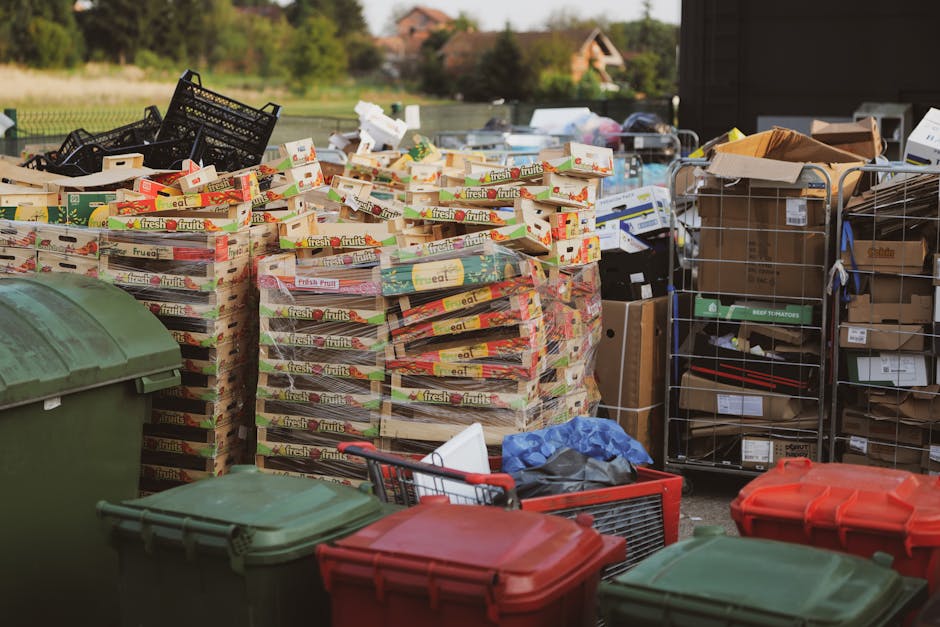
Commercial waste in High Wycombe needs a service that is organised, practical and suited to the way local businesses work. We help with the collection and removal of trade waste from offices, shops, workshops, hospitality premises and other commercial sites, with an approach focused on sensible segregation and responsible handling. The aim is simple: keep your premises clear of unwanted waste while making sure the material is moved onward in a controlled and lawful way.
Our service covers a range of routine business waste streams, from mixed non-hazardous rubbish to items that need separating before disposal or recycling. That can include bagged office waste, packaging, broken fixtures, redundant furniture and other day-to-day commercial discards. Clear communication matters, so we explain what can be collected, what should be separated and which jobs need extra care before they are booked in.
If you are planning a clearance or regular waste uplift, request a quotation and compare the options that suit your site.
Business waste removal for day-to-day operations
Business waste removal in High Wycombe is often most useful when it is straightforward to arrange and adaptable to the type of waste being produced. Many premises generate a combination of paper, packaging, plastics, broken storage items and general rubbish, and those materials are easier to manage when the collection is matched to the actual stream rather than handled as a vague bulk clear-out. We provide a practical collection service for these day-to-day waste needs, with an emphasis on orderly loading and sensible sorting where it helps recovery or disposal.
Different workplaces produce waste at different rates, so the right collection plan depends on volume, access and the kinds of items involved. Offices may mainly need removal of desks, chairs and boxes of obsolete material, while retail or hospitality sites may require more frequent clearances of mixed packaging and back-of-house waste. If you are comparing options, begin with a brief description of the material and the timing you need; that usually gives enough detail to shape an accurate quote. For larger jobs, a pricing and quotes page can help set expectations before you commit.
Office waste and confidential materials

Office waste can build up quickly when spaces are refurbished, relocated or simply refreshed. We can remove general office rubbish alongside unwanted furniture, stored files, IT-related waste and packaging from new equipment deliveries. The goal is to keep disruption low while clearing material in a way that suits your layout and schedule. Where items need special handling, they are separated so they can be managed correctly instead of being mixed into a single load.
Some businesses also need a careful approach to confidential papers and sensitive documents. If shredding is part of your disposal plan, this should be identified in advance so the material is dealt with appropriately. For firms reviewing the wider process, our confidential shredding information is relevant to the safe treatment of records that should not enter standard waste streams. You can also look at office clearance if the job includes desks, chairs, cabinets and other workplace items.
When preparing an enquiry, it helps to note the floor level, loading access and whether the waste is loose, bagged or still assembled. Those details do not need to be long or technical, but they do help avoid confusion on the day and make the quotation easier to tailor. For many customers, a simple list of the main items is enough.
Furniture disposal and bulky items

Furniture disposal is often the main task when a business is replacing seating, storage or fitted items that no longer suit the space. We handle bulky commercial items such as desks, tables, shelving, cabinets and chairs, as well as mixed furniture from offices, waiting rooms and back rooms. The useful part of a furniture-focused service is that the collection can be organised around the size and type of article, which makes removal more efficient than leaving everything to a generic waste stream.
Some items may be suitable for reuse or material recovery, while others are more appropriate for disposal once separated. That depends on condition, construction and whether the item contains combined materials that need splitting apart. If you are replacing several items at once, it is sensible to group them by room or function before collection. For related work, furniture clearance gives a broader option for premises with multiple items to move, while furniture disposal is useful when the emphasis is on removing individual pieces cleanly and appropriately.
Bulky items can also create access questions, particularly in shared buildings or tighter premises. A quick note about doors, stairs, lifts or parking is usually enough to help us understand what is involved. Practical preparation keeps the job simpler and can reduce back-and-forth before collection is arranged.
Waste from shops, hospitality and mixed commercial premises
Shops, cafés, small hospitality venues and mixed-use commercial buildings often generate a broad range of waste in one place. Packaging, damaged stock, worn furniture, cleaning-related rubbish and general refuse may all need removal together, but not always in the same way. We can collect mixed commercial waste when it is suitable for removal as a single load, then separate out recyclable or specialist items where that is practical and appropriate.
Because these premises are often busy, the collection process should fit the way the site actually operates. That may mean working around opening hours, shared access routes or limited storage space for bagged waste. If one area is being refurbished, extra material may arise from strip-out work or a stock reset. In those circumstances it is often useful to check builders waste clearance as well, especially where broken fixtures, packaging and renovation debris are mixed together in one project.
There is no need to overcomplicate the enquiry. A short description of the premises, the kind of waste involved and how much space it occupies is usually sufficient to begin. Where the load is especially varied, it is better to describe the main groups of material clearly than to try to list every small item individually.
Hazardous items, appliances and specialist disposal

Not every commercial item belongs in standard waste collections. Some materials need a more cautious route because of their contents, condition or disposal requirements. That can include appliances, items with refrigerant, or waste that is classed as hazardous and must be handled separately from everyday rubbish. We do not treat all waste in the same way, and the right approach is to identify the item type before it is booked in for collection.
For equipment and items that need additional care, the most useful step is to check the relevant service information before moving ahead. A fridge and appliance removal page is relevant where electrical items need separate handling, while hazardous waste disposal covers categories that should not be mixed with standard trade waste. If the problem is a one-off bulky article, such as mattresses or sofas from commercial accommodation or public-facing spaces, mattress and sofa disposal may be the better fit.
Important distinction: some items can be accepted only if they are described accurately in advance. That protects the collection process and helps ensure the waste is handled in the proper stream rather than added to a general load by default.
How commercial waste collections are planned
Commercial waste collections work best when the scope is clear from the outset. The most useful information is usually the type of material, approximate volume, where it is located and whether anything is awkward to move. For example, bagged office rubbish, dismantled furniture and loose packaging each affect the collection differently. A well-described job is easier to price and simpler to schedule, because the collection can be matched to the real amount of work rather than a guess.
It also helps to think about whether the waste is a single clear-out or part of a repeated pattern. One-off removals may suit an occasional uplift, while regular business waste may need a more routine arrangement. If your premises are in transition, such as during refit or relocation, about us provides background on the company, while book online may be useful when you already know the main details and want to move forward.
When you are preparing the details, keep the description concise but specific. A few lines about the main items, access constraints and urgency are often more helpful than a long explanation. If the waste includes mixed materials, mention the obvious categories first and leave the finer points for the quotation stage.
About High Wycombe
High Wycombe is a large town in Buckinghamshire, set within the valley of the River Wye and backed by the Chiltern Hills. Its position on routes through the county has shaped its character for centuries, and the modern town combines older streets and civic spaces with extensive later development. The centre includes the parish church of All Saints, the Guildhall and a series of streets that reflect the town’s long commercial history, while nearby open spaces and wooded hills give the area a strong landscape setting. The town is also closely associated with the furniture trade, especially chair-making, which became one of the best-known local industries and left a lasting mark on its identity.
Recycling, sustainability and responsible handling

Responsible commercial waste handling is not only about getting waste off-site. It is also about making sensible decisions on sorting, reuse and recycling where those routes are available. Different materials behave differently once collected, so it is useful to separate clean recyclables, reusable items and general waste whenever practical. That approach can reduce unnecessary disposal and gives the collection process a clearer structure from the start.
Business customers often want to know how mixed loads are dealt with, especially where furniture, packaging and light construction waste are all present in the same clearance. The best answer is to organise the load so each material can be assessed on its own merits. For customers looking at the broader service picture, recycling and sustainability explains the subject in more detail, while what can go in a skip is useful background when comparing waste types and deciding what should be included or kept separate.
If you would like a quotation, send the main waste types, the approximate amount and any access details that matter. That is usually enough to provide a practical starting point, and from there we can suggest the most suitable way to handle the job.
Garage, loft and home-based business clearances
Some commercial customers operate from homes, converted properties or small units where stored items accumulate in garages, lofts or spare rooms. In those cases, the waste may include archive material, packaging, old equipment, shelving or household-style items used in the business. The service still needs to be organised as a commercial collection when it supports a workplace or trading activity, even if the setting is domestic in appearance.
These jobs often involve a mixture of useful and unwanted items, which is why it helps to separate anything that must stay on site from the waste itself before collection begins. Where storage has become hard to manage, the relevant service page can help narrow the scope: garage clearance is useful for outbuildings and storage spaces, loft clearance suits higher-level stored material, and home clearance may be relevant when business-related items are mixed with domestic belongings.
These are the kinds of jobs where a careful description matters more than a long explanation. The most helpful notes are usually the type of space, whether items are boxed or loose, and whether any pieces are awkward to carry down stairs or through narrow access points. Keep the summary simple and accurate.
Book a commercial waste quotation
When you are ready to move ahead, we make it straightforward to request a quotation for commercial waste in High Wycombe. The key details are the waste type, the amount you need removed and the access conditions at the property. That gives enough information to shape a sensible quote without unnecessary back-and-forth, whether the job is a one-off clearance or part of an ongoing business waste requirement.
For businesses comparing options, it often helps to review the main service pages first so the scope is clear before you enquire. You can also use contact us if you want to ask about a specific load, a mixed collection or a more structured waste plan. Send the details that matter most, and we can help you decide how the collection should be handled.
Get in touch today to request a quotation and arrange the commercial waste removal that suits your premises.